

Industries
Industries we serveOT security for six industrial sectors.
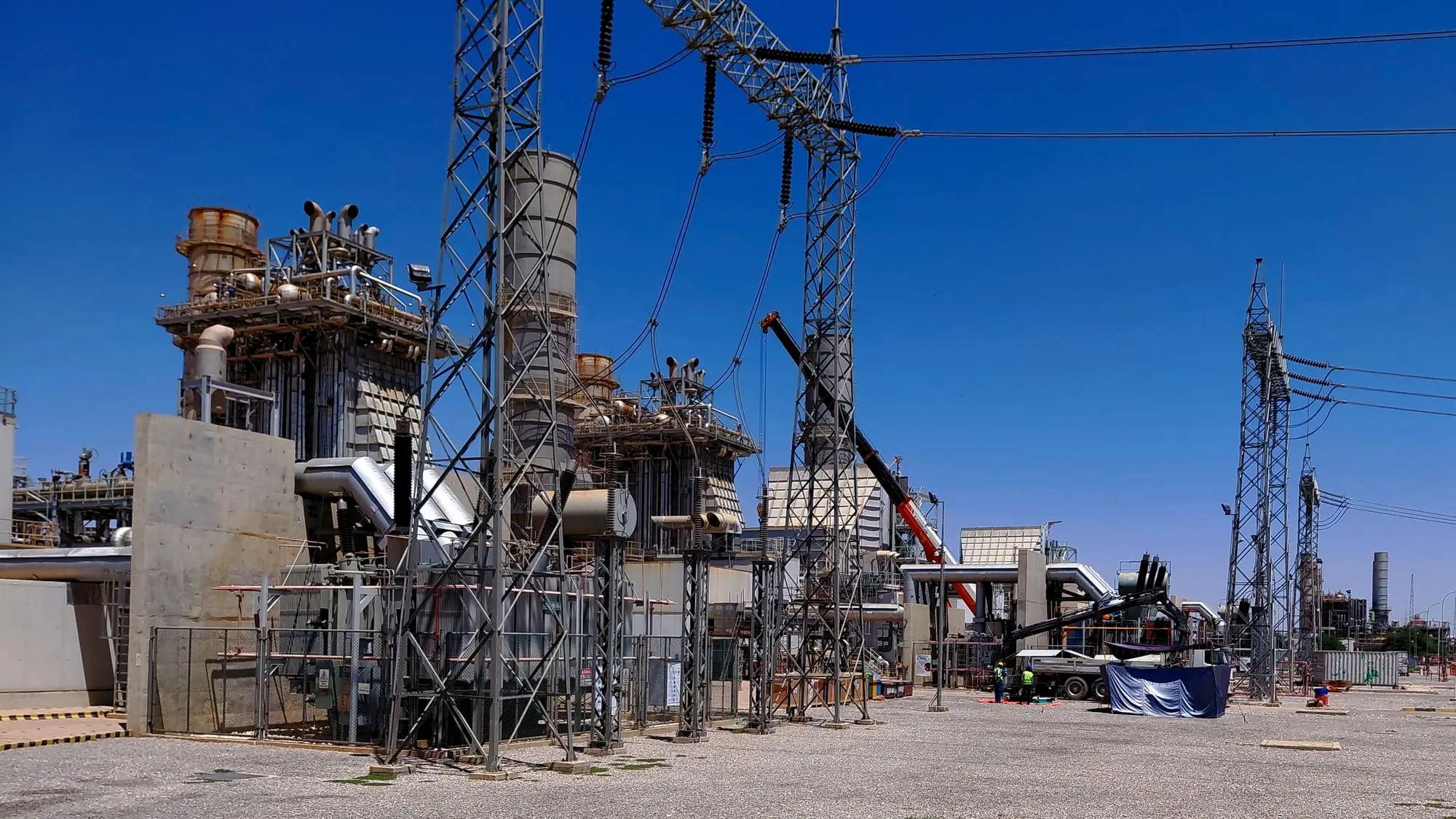
Most sectors use similar control technology. What differs is the cost of downtime, the regulations that apply and how far the network extends. Each sector is described below.
01NEPRA
Power Utilities
A sector with specific regulatory requirements
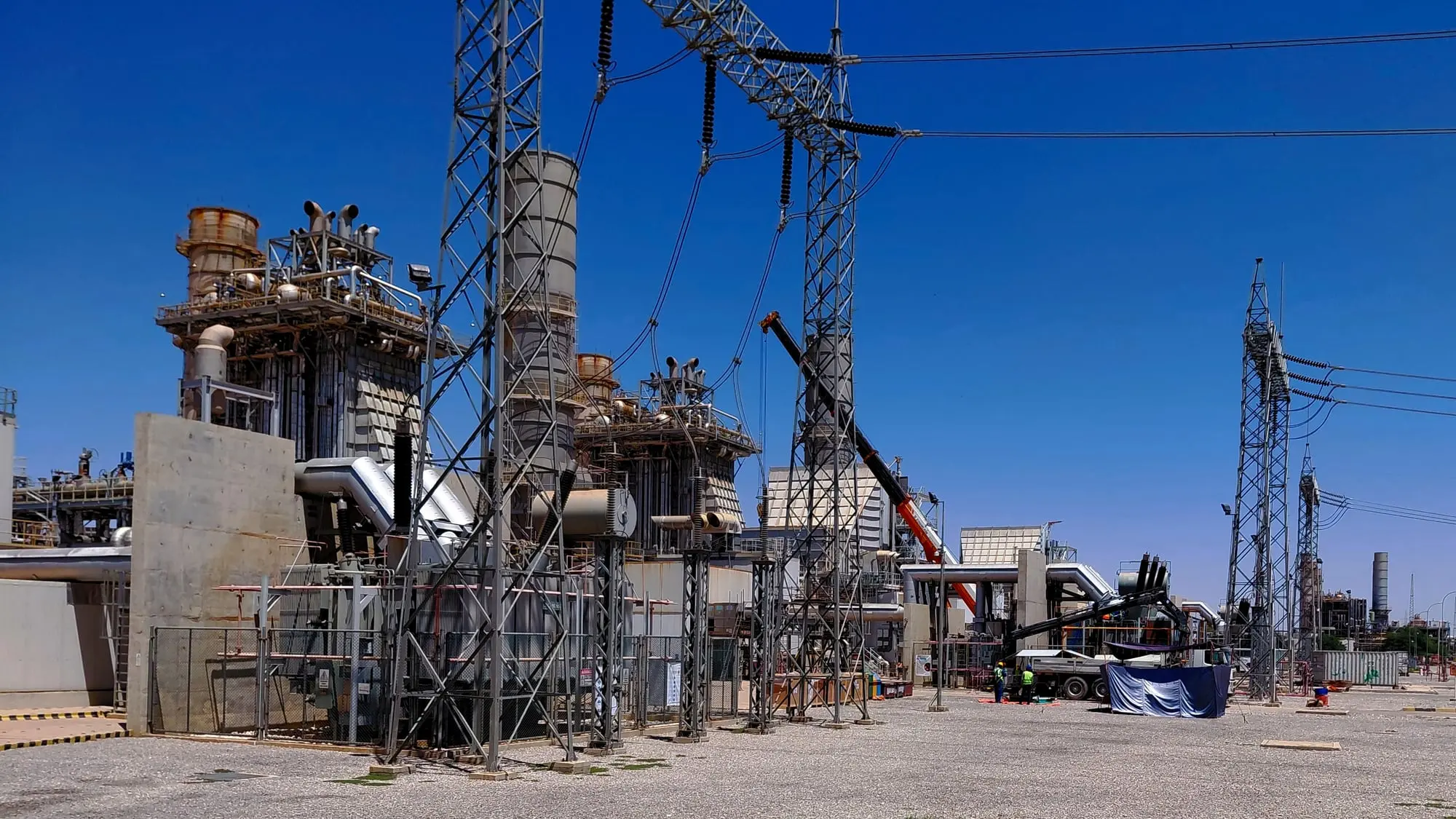
Power generation is often subject to cybersecurity regulation. In Pakistan, NEPRA sets requirements for the control systems behind generation, and an audit asks for evidence of compliance. For this reason, work in this sector usually starts with a compliance assessment.
Typical systems
- A DCS controlling generation
- Turbine and boiler control, often from a different vendor than the DCS
- SCADA at the grid interface
- Historians used for regulatory reporting
02
Fertilizers
Continuous processes that are costly to restart
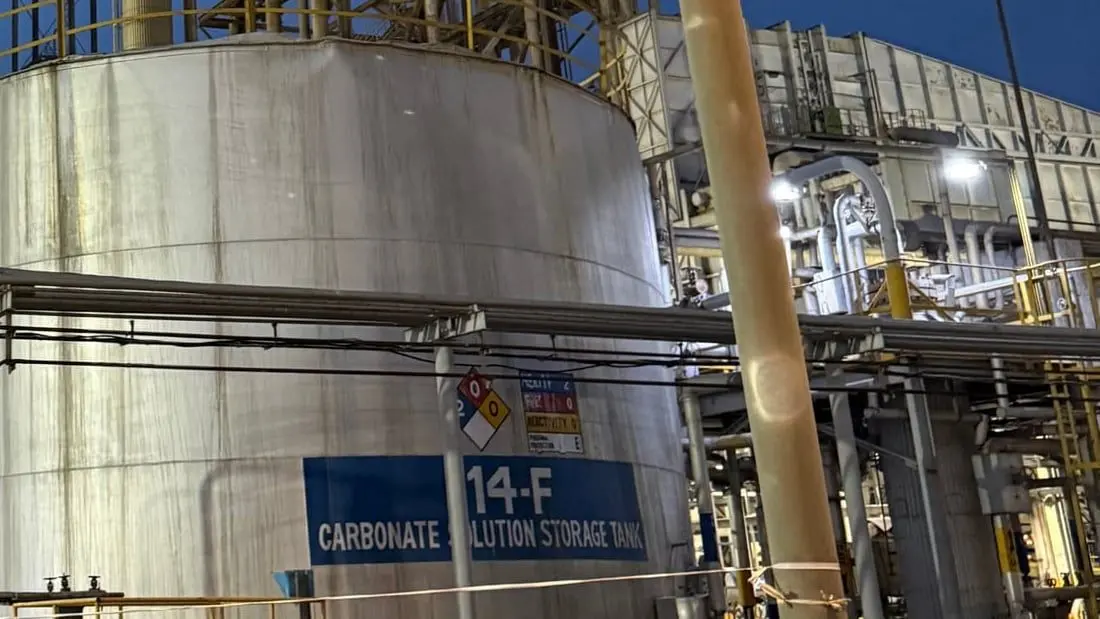
An unplanned trip on an ammonia train costs more than lost production, because restarting the process is slow and expensive. For this reason, our work in this sector is planned so that no running system is changed.
Typical systems
- A DCS across the ammonia and urea trains
- Compressor and turbine control
- Historians used for production reporting
- PLCs on bagging and packing lines
03
Oil and Gas
Control systems spread across remote sites
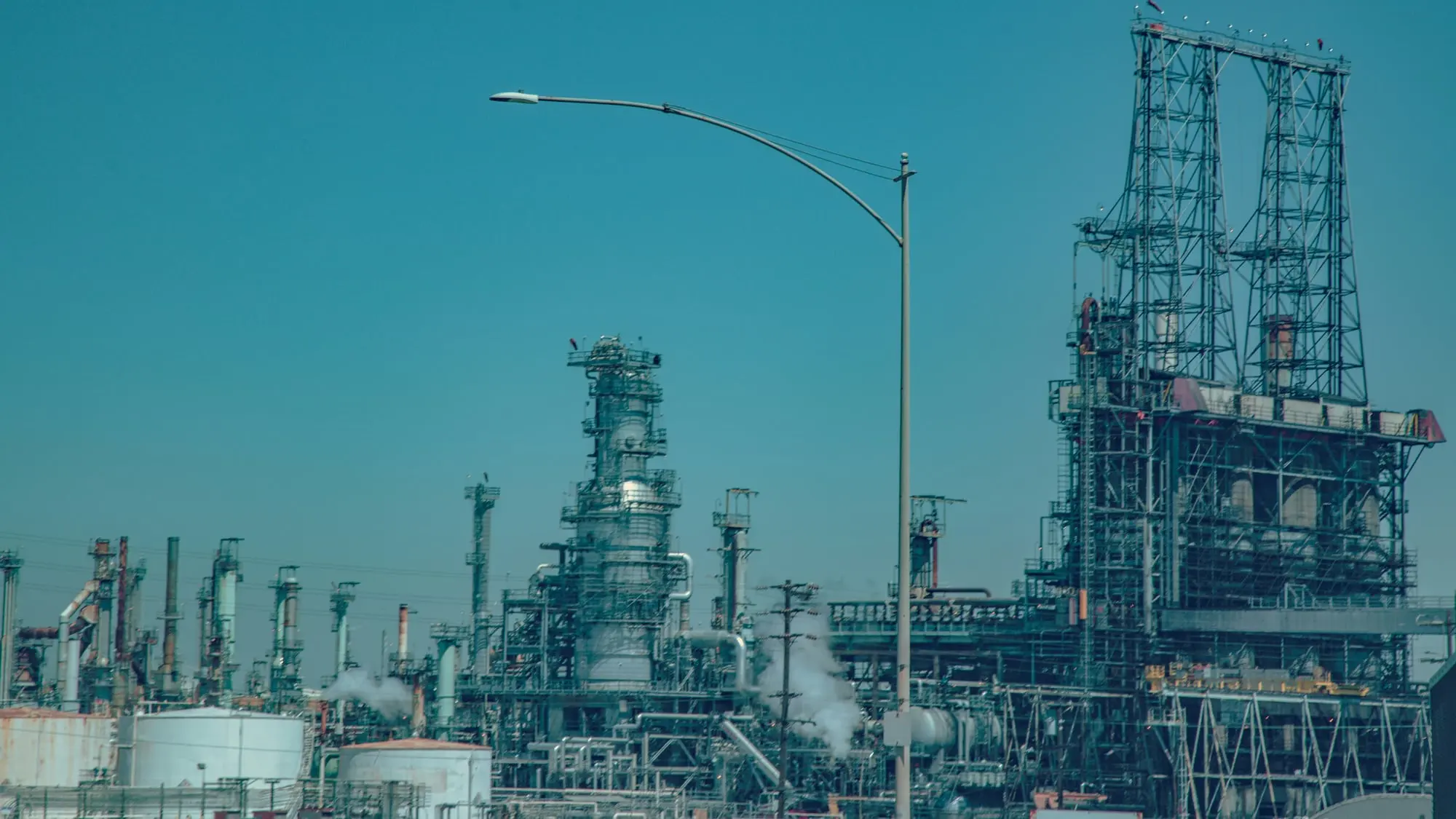
A refinery has a clear boundary, but a pipeline does not. The network extends to every remote site, telemetry link and metering skid, many of them installed by different contractors at different times.
Typical systems
- Refinery DCS and safety systems
- RTUs and telemetry along the pipeline
- Metering and custody transfer
- SCADA bringing the data back to a central control room
04
Chemicals
Safety systems alongside process control
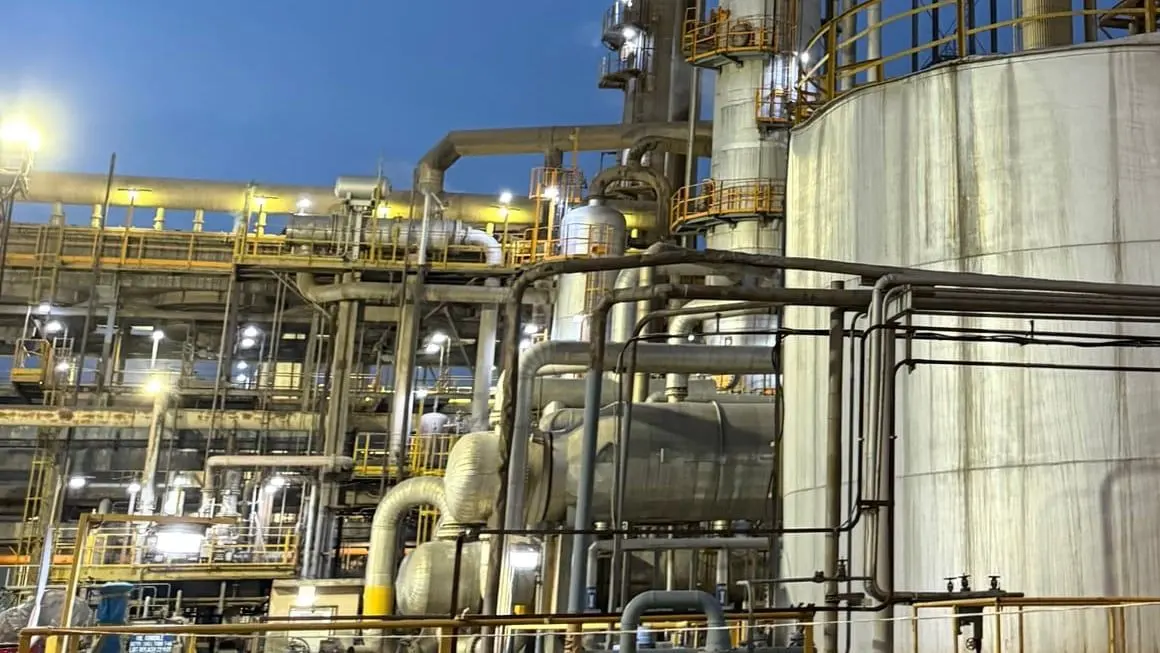
In a chemical plant, an attacker who reaches the process control system may also be able to reach the safety system that protects the plant. For this reason, the separation between the two is the first thing we assess.
Typical systems
- A DCS running continuous and batch units
- Safety instrumented systems with their own logic solvers
- Recipe and batch management
- Historians and laboratory information systems
05
Ports and Terminals
Many external connections for the size of the site
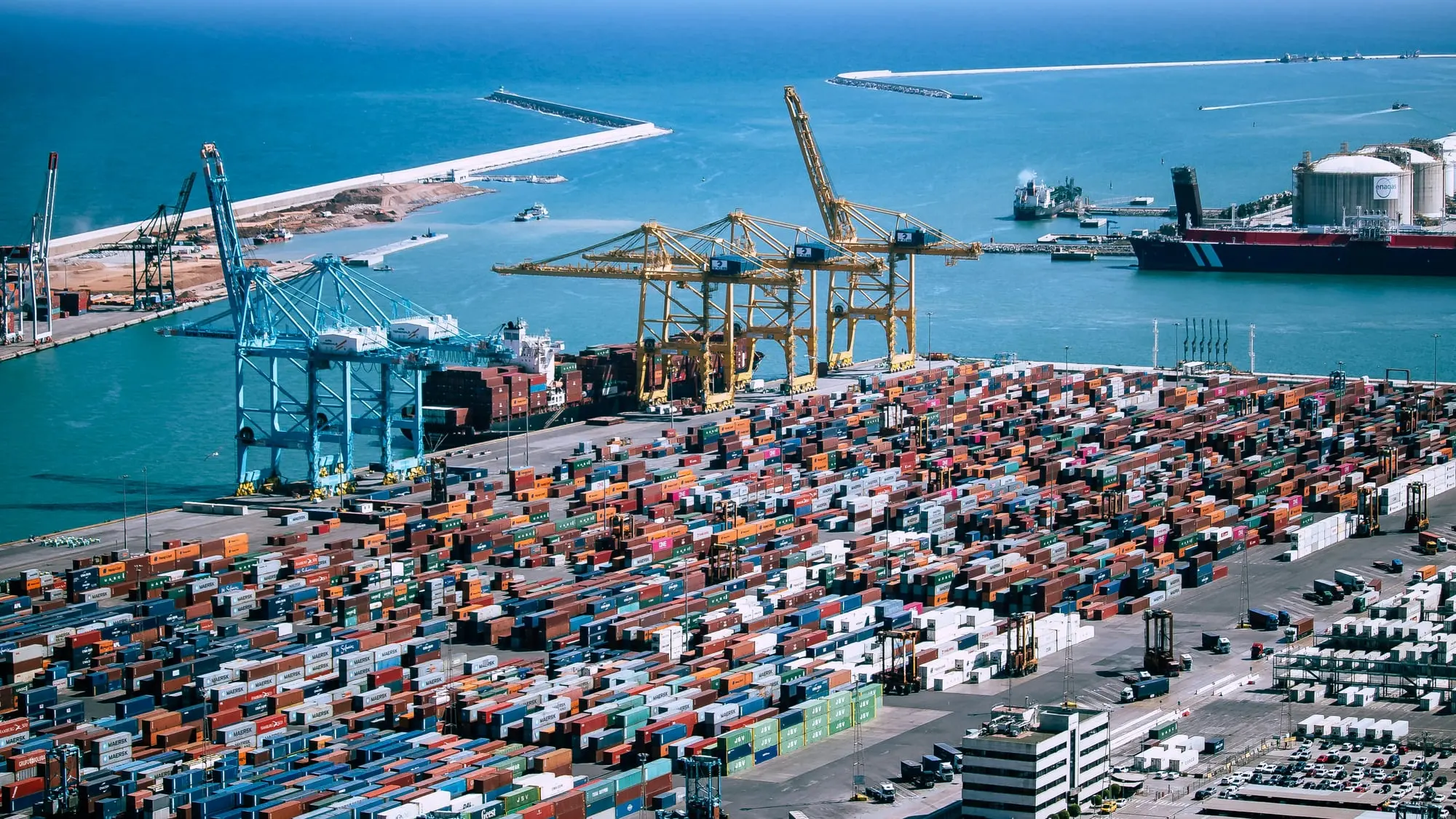
A terminal connects to shipping lines, customs, hauliers and the tank farm, and each of these connections is a possible route into the control systems. The systems themselves are standard, but the number of connections is higher than in most plants.
Typical systems
- Terminal automation and tank gauging
- Loading arms, pumps and metering
- Crane, gate and weighbridge systems
- Connections to shipping and customs systems
06
Manufacturing
Production networks often connected to the office network
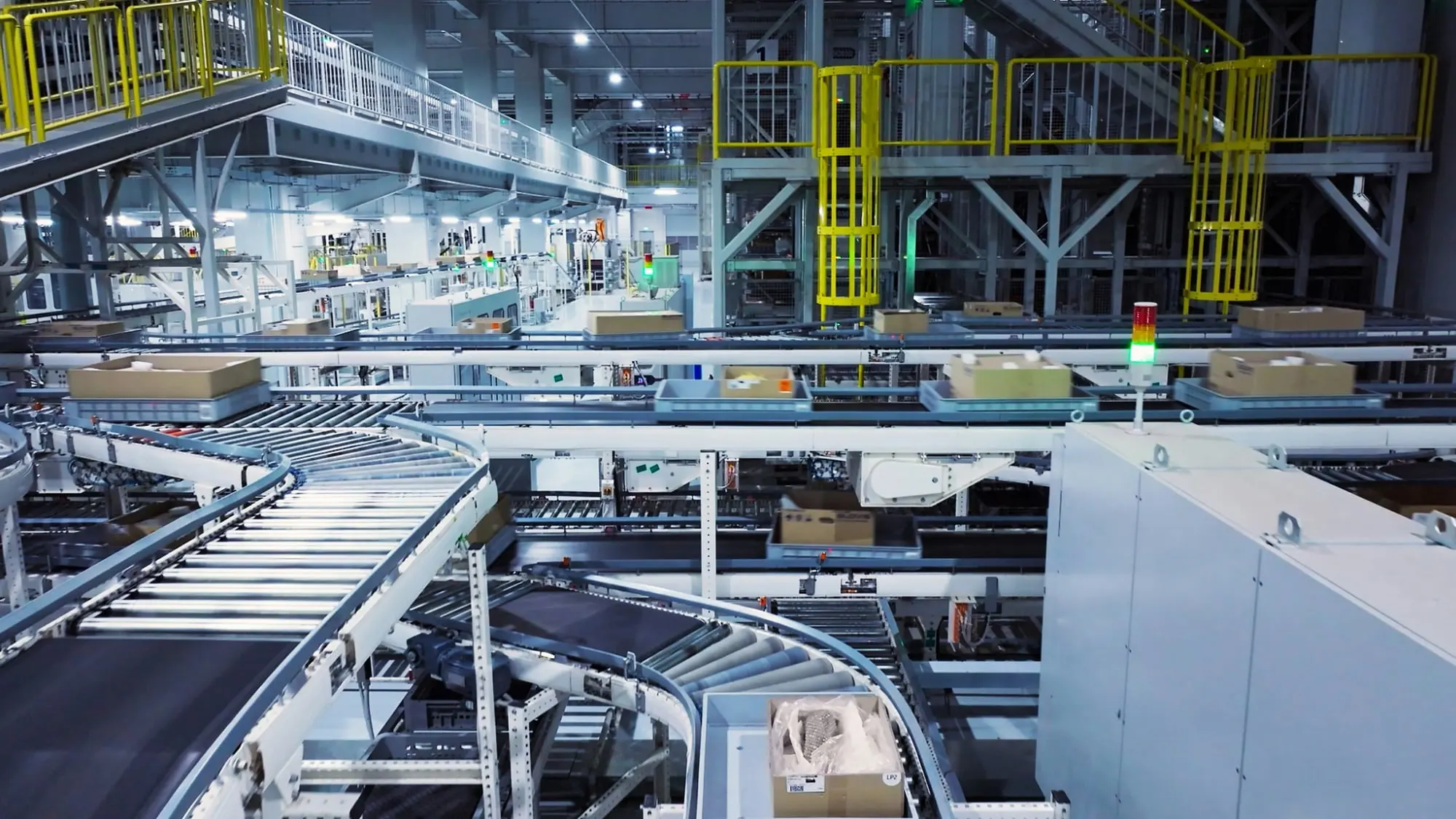
Production lines are often connected to the office network to send production data to business dashboards, usually without a formal review. Separating these networks is one of the most common tasks we carry out in this sector.
Typical systems
- PLC-controlled production lines
- SCADA supervision of the production floor
- MES and ERP connections to the business
- Robotic cells and vision systems